

Why remembering what I learned became part of The Work.
As I began revisiting photographs for The Work, something unexpected happened.
I wasn't only learning about individual photographs.
I was learning about how I see.
A decision made while working on one photograph would matter again several photographs later. A mistake would reveal a weakness in the process. A title I rejected would teach me something about the kinds of titles I preferred. A photograph that didn't belong in the collection could teach me as much as one that did.
The question became:
How do I keep from losing all of that?
Collection History
The first answer was something I called Collection History.
The idea was straightforward.
After completing a photograph, I wanted to preserve more than its final title and caption.
I wanted to remember what made me stop, what I saw and what I wanted to create.
I wanted to preserve the earlier title when it mattered, why it changed, which caption direction I chose, what happened with the keywords, what I learned from the composition, and whether the photograph revealed a relationship to other photographs in The Work.
Most importantly, I wanted to distinguish between what I knew when I made the photograph and what I only recognized later.
Those aren't always the same thing.
Drawn In helped make that distinction clearer. Something understood years later can reveal something genuine about the original act of seeing without pretending that I consciously understood all of it when I pressed the shutter.
That kind of distinction mattered to me.
I didn't want to rewrite my own history.
When History Became an Inventory
Collection History worked.
Perhaps too well.
As more photographs were completed, the record grew. Every image carried its own details, decisions and discoveries.
But eventually another problem became apparent.
A history of every completed photograph wasn't necessarily the best way to carry forward what those photographs had taught me.
The important lesson from Parallel Play wasn't every sentence we considered for the caption.
It was that a photograph could simply be playful and visually curious without needing to become a metaphor for something larger.
The important lesson from the rejected loon composite wasn't its working title or keywords.
It was that words must never be used to rescue a photograph whose composition doesn't create the intended experience.
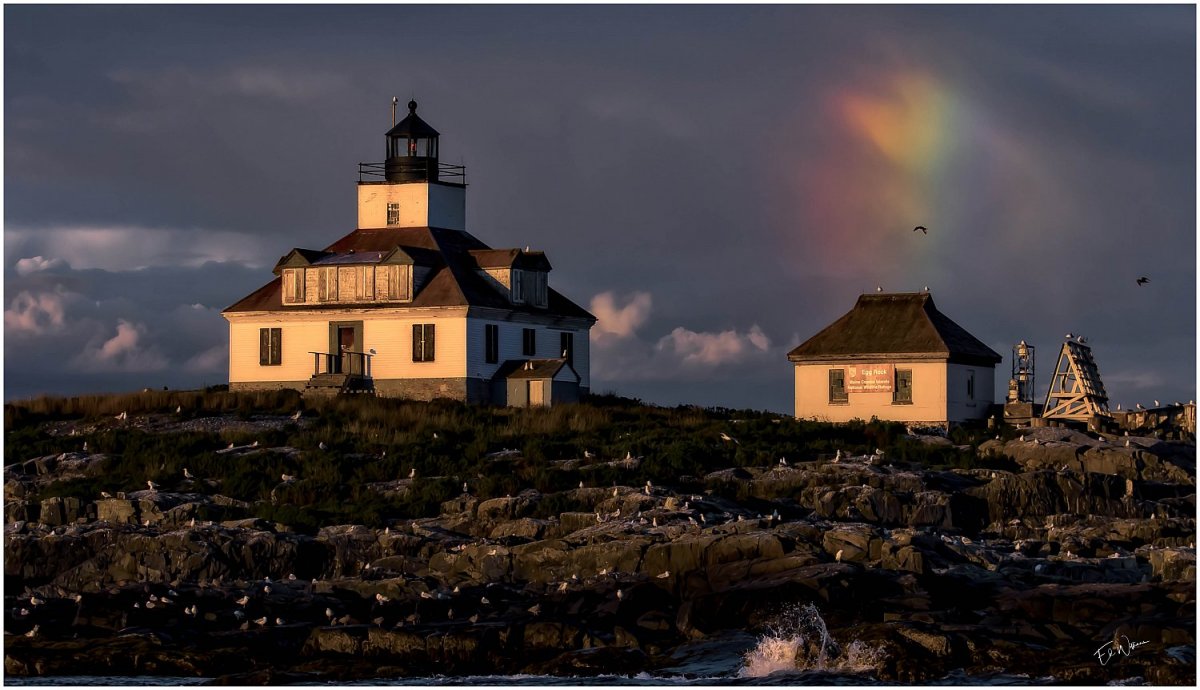
The important lesson from Fortune was larger than that one Maine photograph. Chance in photography is not just luck. The circumstance may be fortunate, but the photographer still has to recognize it and respond.
Those were the things I needed available when I approached the next photograph.
Not an ever-growing inventory.
From History to Recap
So the process changed again.
Instead of continually expanding a single Collection History, each caption-writing session began ending with a Session Recap.
The recap wasn't intended to repeat everything we had done.
Its job was to ask:
What did this session teach me that should still matter tomorrow?
That was a much more useful question.
The recaps preserved changes in the process, discoveries about my voice, title preferences, caption decisions, keyword lessons, composition judgments and mistakes I did not want to repeat.
They also preserved uncertainty.
Something that looked like a rule after one photograph might turn out to be an exception several photographs later.
That distinction became increasingly important.
The Master Recap
The next step was to combine those session recaps into a Master Recap.
Again, the purpose wasn't to create a history of every photograph.
The Master Recap became a working memory of what The Work had taught me so far.
That changed the process in ways I hadn't expected.
When a new photograph appeared, it was no longer being considered in isolation.
There was accumulated experience behind the questions.
Not answers.
Experience.
What Memory Changed
Consider classification.
An early impulse might be to classify a photograph by what is physically in it.
Trees equal landscape.
An owl equals wildlife.
Waterfall equals landscape.
But accumulated experience showed that this was too simple.
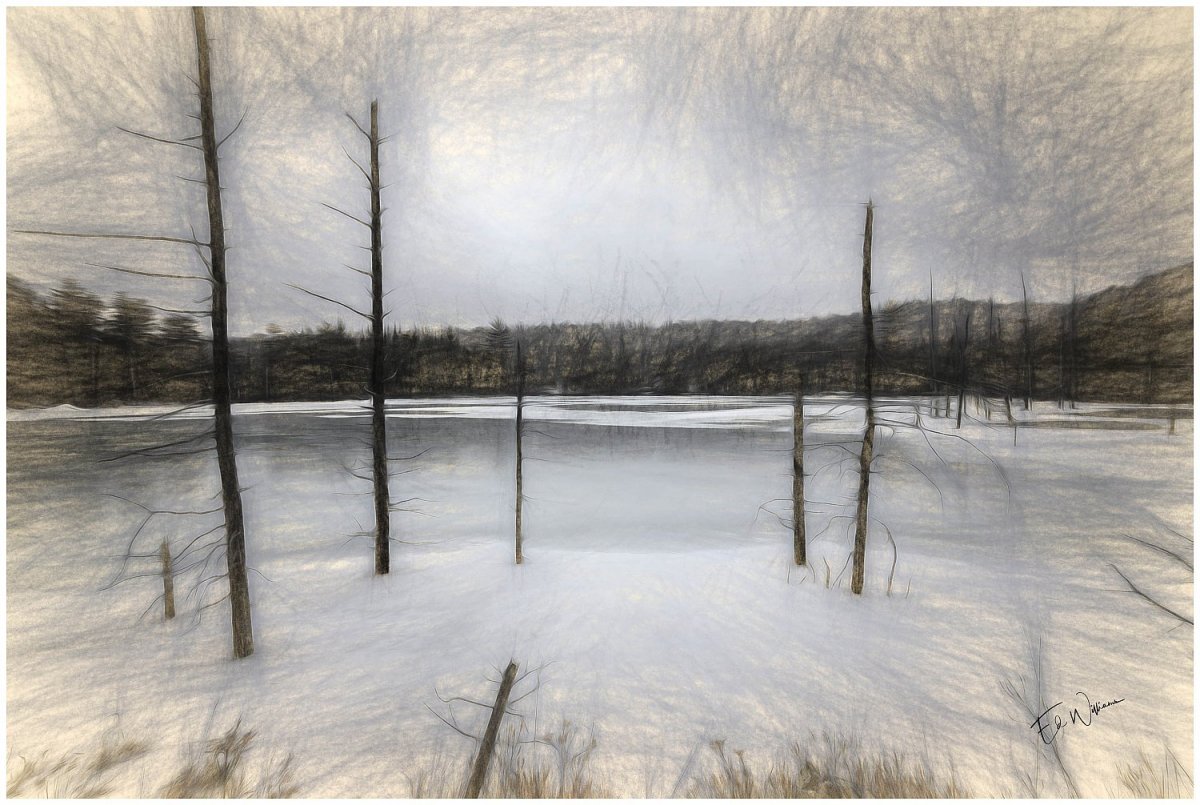
A photograph such as Nowhere could function primarily through structure and visual organization rather than through the literal trees in the scene. Abstract could therefore be a more truthful description of how the photograph works.
With Within, the snowy owl mattered, but so did its scale within the frame, the falling snow, the atmosphere and the surrounding space. The environment wasn't background decoration. It was part of the photograph's subject.
That understanding didn't come from creating a better list of categories.
It came from remembering earlier decisions.
Titles Changed Too
The same thing happened with titles.
Over time, I began to recognize that I often preferred implication to declaration.
Either Side left more room than The Divide.
Unmoved left more room than Still Point.
Somewhere could create a question without actually asking one.
No single photograph established a rule that every title should behave that way.
The accumulated pattern simply taught me something about my own voice.
That is precisely what the Master Recap was designed to preserve.
Remembering What Not to Do
Some of the most useful memories are mistakes.
Don't create three different titles when trying to compare three caption directions.
Don't assume the Contemplative caption is better simply because it sounds more philosophical.
Don't fill a keyword list with everything visible in the photograph.
Don't manufacture an explanation when the truthful answer is, I don't know what made me stop.
Don't assume photographs appearing next to one another in the workflow were intentionally created as a sequence.
And don't keep explaining once I have recognized the thing I was trying to say.
Those lessons now arrive at the next photograph before the writing does.
The Work Teaching the Work
That may be the most surprising part of this entire project.
At first I thought I was going back through old photographs to write titles and captions for them.
Instead, the photographs began teaching me how to approach the photographs that followed.
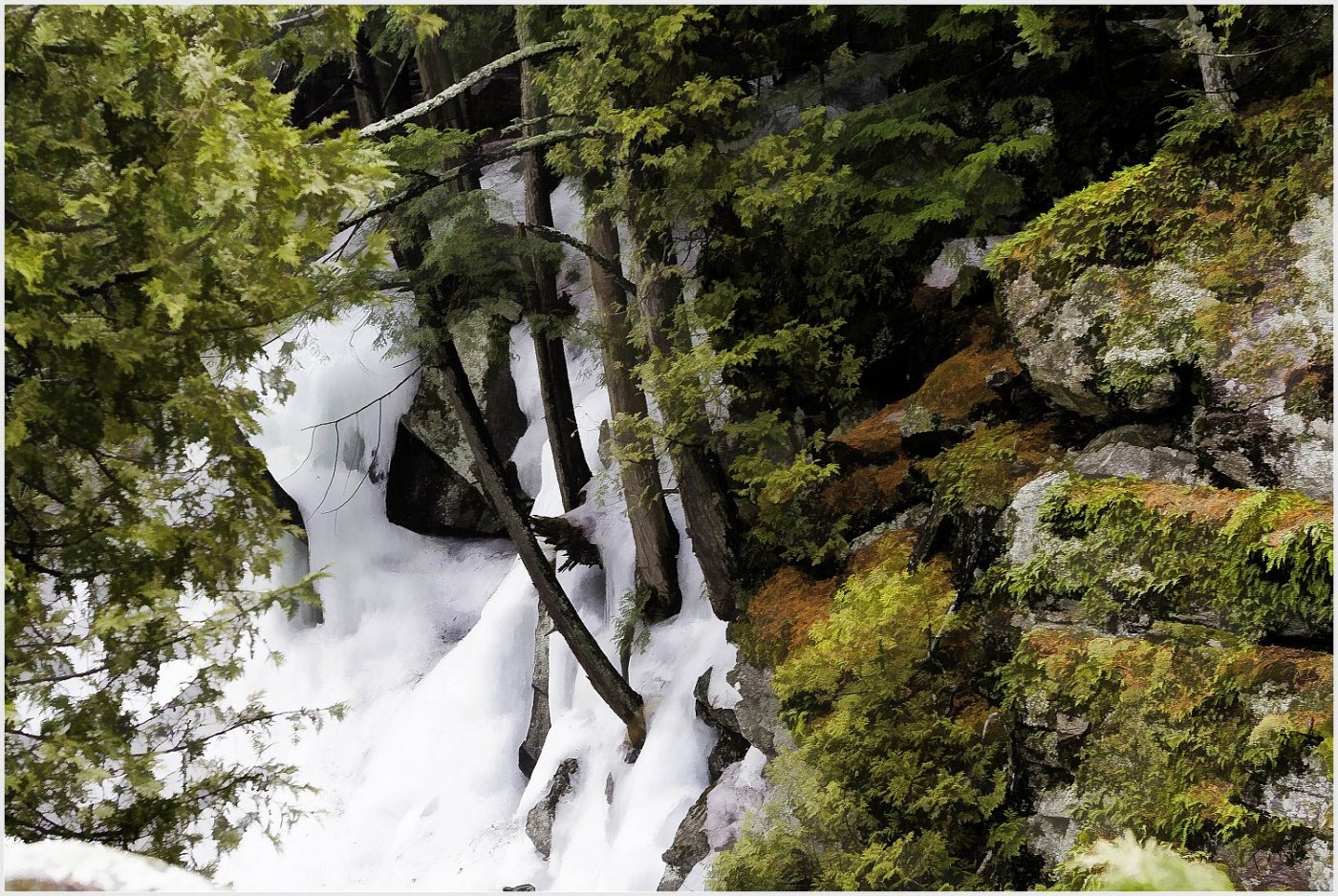
A playful waterfall gave permission for another image not to be overly serious.
An unsuccessful composite strengthened the collection by teaching me what not to include.
A snowy owl changed how I thought about subject and environment.
A crow arriving unexpectedly helped me recognize the importance of chance without making chance the meaning of the photograph.
A title that felt too declarative taught me to leave more room.
None of those discoveries belongs only to the photograph where it first appeared.
They became part of the way I look.
That is why Collection History eventually had to become something different.
History records what happened.
What I needed was a way to remember what mattered.
The Session Recaps and Master Recap became that memory.
And now, each time I return to another photograph, I am not exactly starting over.
The next image still gets to surprise me.
But I bring with me what the others have already taught me.